



Spanish Violin Sonatas
Marcial del Adalid: Sonata in C minor: IV. Finale. Presto assai
14,95€
Spanish Violin Sonatas recupera un fascinante y prácticamente desconocido capítulo del Romanticismo musical español. David Santacecilia y Alberto Urroz reúnen las sonatas para violín y piano de Martín Sánchez Allú, Marcial del Adalid y Guillermo Morphy, tres compositores que en el siglo XIX incorporaron a la música española la gran tradición camerística centroeuropea. Desde la elegancia y riqueza armónica de Allú hasta el espíritu beethoveniano de Adalid y el refinamiento de Morphy, estas obras revelan un patrimonio musical de extraordinario interés. Grabado en el Auditorio Manuel de Falla de Granada, el álbum devuelve al repertorio tres sonatas olvidadas y propone una nueva mirada al Romanticismo español.
Spanish Violin Sonatas brings to light a fascinating and largely forgotten chapter of Spanish Romanticism. David Santacecilia and Alberto Urroz present violin sonatas by Martín Sánchez Allú, Marcial del Adalid and Guillermo Morphy, three composers who brought the great Central European chamber-music tradition into nineteenth-century Spanish musical life. From Allú’s elegance and harmonic richness to Adalid’s Beethovenian spirit and Morphy’s refinement, these works reveal a musical heritage of remarkable interest. Recorded at Granada’s Auditorio Manuel de Falla, the album restores three forgotten sonatas to the repertoire and offers a fresh perspective on Spanish Romanticism.
BOOKLET
14,95€
Spanish Violin Sonatas
Spanish Violin Sonatas recupera un fascinante y poco conocido capítulo de la música de cámara española del siglo XIX. El violinista David Santacecilia y el pianista Alberto Urroz presentan las sonatas de Martín Sánchez Allú, Marcial del Adalid y Guillermo Morphy, tres compositores que trataron de incorporar a la vida musical española la tradición de la denominada «música sabia» europea, representada por Haydn, Mozart, Beethoven, Schubert y Mendelssohn. Escritas entre la década de 1850 y los primeros años de la de 1870, estas obras muestran cómo los compositores españoles asimilaron los modelos centroeuropeos al tiempo que desarrollaban un lenguaje musical propio. La Sonata en re mayor de Sánchez Allú combina la elegancia clásica con una sorprendente escritura cromática y un diálogo extraordinariamente integrado entre violín y piano. La Sonata en do menor de Adalid revela un carácter más abiertamente beethoveniano, con gestos dramáticos y una concepción casi orquestal de ambos instrumentos. La Sonata en mi bemol mayor de Morphy, estrenada en París en 1869, recoge el legado camerístico de Beethoven y lo combina con la refinada imaginación armónica de su autor. Grabado en el Auditorio Manuel de Falla de Granada, este álbum recupera para el repertorio tres obras de gran relevancia y descubre una tradición camerística española inesperadamente rica, desarrollada al margen del predominio de la cultura operística en la España del siglo XIX.
__________________________
Spanish Violin Sonatas brings to light a fascinating and little-known chapter of nineteenth-century Spanish chamber music. Violinist David Santacecilia and pianist Alberto Urroz present sonatas by Martín Sánchez Allú, Marcial del Adalid and Guillermo Morphy, three composers who sought to introduce into Spanish musical life the tradition of European “learned music” represented by Haydn, Mozart, Beethoven, Schubert and Mendelssohn. Written between the 1850s and early 1870s, these works reveal how Spanish composers absorbed Central European models while developing their own musical language. Sánchez Allú’s Sonata in D major combines Classical elegance with striking chromatic writing and a remarkably integrated dialogue between violin and piano. Adalid’s Sonata in C minor displays a more overt Beethovenian character, with dramatic gestures and an almost orchestral conception of the two instruments. Morphy’s Sonata in E-flat major, premiered in Paris in 1869, reflects Beethoven’s chamber-music legacy while displaying its composer’s refined harmonic imagination. Recorded at Granada’s Auditorio Manuel de Falla, this album restores three significant works to the repertoire, revealing an unexpectedly rich Spanish chamber-music tradition that developed beyond the dominant operatic culture of nineteenth-century Spain.
David Santacecilia
One of the most versatile musicians on the national scene, he is active as a violinist, conductor, harpsichordist, violist, composer, and specialist in Baroque violin. This multifaceted profile enables him to approach musical interpretation from a broad and rigorous perspective, both on stage and in his teaching. He currently serves as professor of violin and music analysis at the Amaniel Professional Conservatory of Music in Madrid.
As a conductor and historically informed violinist, he leads the ensemble Exordium Musicae, with which he has performed at venues such as the National Auditorium of Music, the Royal Palace of Madrid, Toledo Cathedral, and the Ateneo de Madrid. With this group, he made the first recording of Gaetano Brunetti’s Trios for Two Violins and Basso Continuo for the Spanish Musicological Society. He also serves as concertmaster of the Camerata Antonio Soler, appearing as soloist and recording several albums devoted to Brunetti’s symphonies.
As a modern violinist, he has given numerous chamber music recitals at institutions including the Juan March Foundation, the Conde Duque Cultural Center and the National Auditorium of Music in Madrid, the Cultural Center of Spain in Lima (Peru), the Instituto Cervantes in Paris (France), and various venues in Germany. He regularly collaborates with orchestras such as the Orquesta del Liceo de Salamanca and the Orchestre de Chambre de Toulouse. He also made the world premiere recording of José María Sánchez-Verdú’s Trio IV, included on the album Encuentros by Trio Dhamar.
He studied at the Royal Conservatory of Music in Madrid, where he was awarded the End-of-Studies Prize (1999) and the Honor Prize (2001). He subsequently received first prize at the Jacinto Guerrero National Performance Competition in Toledo (2001), as well as at the 7th National Chamber Music Competition of Vinaròs (Juventudes Musicales, 2005) and the Yanguas National Chamber Music Competition (2005), among others.
As a composer, he has premiered works with the Symphony Orchestra of the Autonomous University of Madrid. In 2008, he was commissioned to compose the incidental music for The Mischiefs of Scapin by Molière, for a production by Algarabía Teatro that was presented at the Almagro International Classical Theatre Festival.
His artistic profile is complemented by a strong humanistic background: he holds a degree in Philosophy, a Master’s degree in Musicology from the University of La Rioja, and is currently pursuing a PhD at the Complutense University of Madrid, where his research focuses on the musical analysis of early nineteenth-century repertoire.
Alberto Urroz
Acclaimed Spanish pianist Alberto Urroz is a solo artist, also active as chamber and vocal collaborator, who has delighted audiences and critics throughout Europe, Asia and America.
A successful debut in 2008 at New York’s Carnegie Hall boosted his international career, been commissioned by important cultural institutions such as the Prado Museum, Madrid National Auditorium, Conde Duque Auditorium, the Santander and Peralada International Festivals, the Royal San Fernando Fine Arts Academy, the Juan March Foundation, the Cervantes Institute in Berlin, Lisbon and Manila, Festival Percusos and Festival Terras Sem Sombra in Portugal; the Roma International Piano Competition and the Music Talent Festival in Brescia, Italy; the German Embassy in Madrid; the Las Canals, Binic and Hyères Festivals in France; the Piano Week Festival in Denmark; Iberian Foundation for Spanish Music, La Maison Française (NYU) and the Georgia State University in USA; the Italian Culture Institute in Madrid, Lisbon and Strasburg, etc. He has performed in such halls as the Madrid National Auditorium, Conde Duque Cultural Centre, Museo del Prado Auditorium, the Gayarre Theatre, the Santander Festivals’ Palace, Manuel de Falla Auditorium, the Weill Recital Hall and Elebash Recital Hall (NY), Salle du Munsterhof (Strasburg), Bolivar Hall (London), the Sejong Center (Seoul), Kopleff Recital Hall (Atlanta), the Oslo Music Academy, the Amsterdam Conservatory, the Tel Aviv Philarmonie, the CCP (Manila), etc.
Mr. Urroz’s discography includes his first solo album “Spain Envisioned”, “Scarlatti Sonatas” and “Brahms Complete Violin Sonatas” with Vadim Tchijik, all on Ibs label and “Pauline Inspired: melodies by and for Pauline Viardot” with mezzo Laure de Marcellus on Centaur Records. Two new recordings have been released on Ibs: a selection of unknown 19th Century Spanish violin and piano sonatas with violinist David Santacecilia and the long-awaited recording of Bach’s Goldberg Variations.
Alberto Urroz is Founder and Artistic Director of the Mendigorria International Music Festival in Spain. President of EPTA Spain, he was appointed EPTA European President in 2021. Dr. Urroz was granted an honorary award to the best Doctoral Thesis for his dissertation “Optimization of the didactic-learning process of piano technique” (UAX, 2017) and he is piano professor at Alfonso X University and Arturo Soria Conservatory in Madrid. He has also been cofounder and Artistic Director of the I Madrid Shigeru Kawai Piano Competition and he is regularly invited as a piano teacher, lecturer and jury in Spain, Portugal, Italy, Switzerland, Albania, Denmark, Norway, Finland, Iceland, USA and South Korea. Alberto Urroz studied at Madrid Royal Conservatory, Tel Aviv University and in New York City with Joaquín Soriano, Pnina Salzman, György Sándor and Oxana Yablonskaya.
También te recomendamos…
-
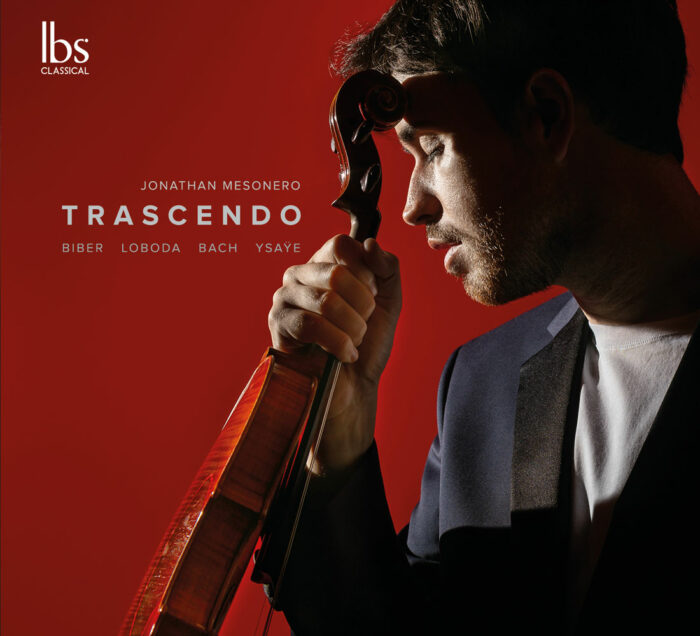 Trascendo 14,95€
 -
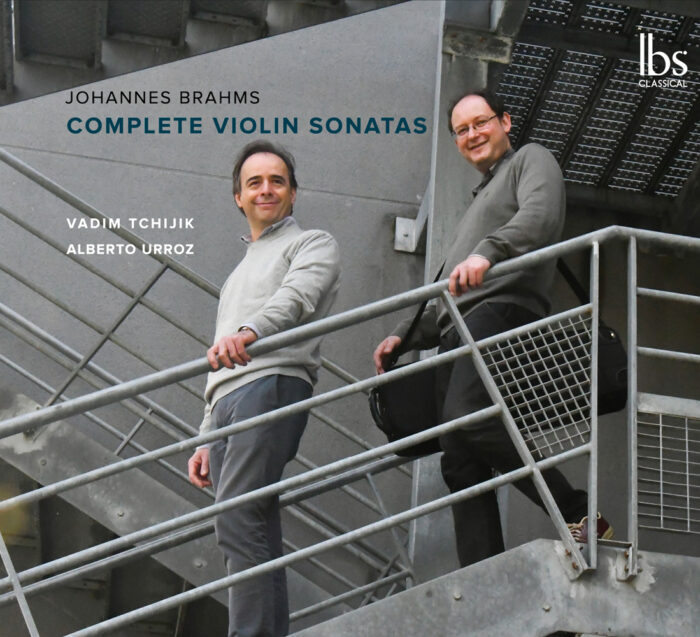 Brahms Violin Sonatas 14,95€
 -
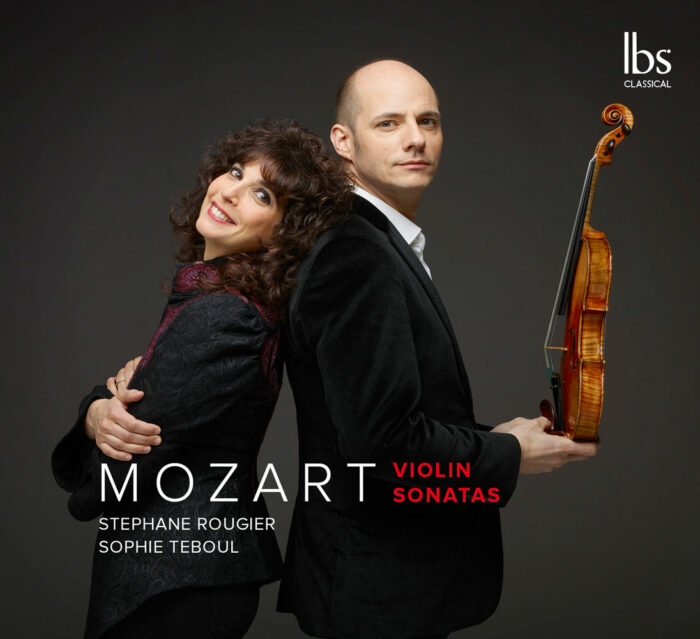 Mozart Sonatas 14,95€
 -
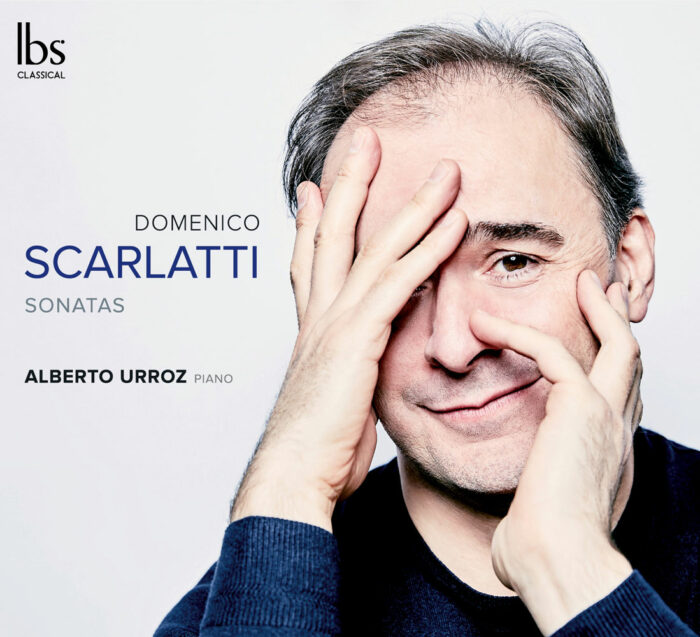 Scarlatti Piano Sonatas 14,95€
 -
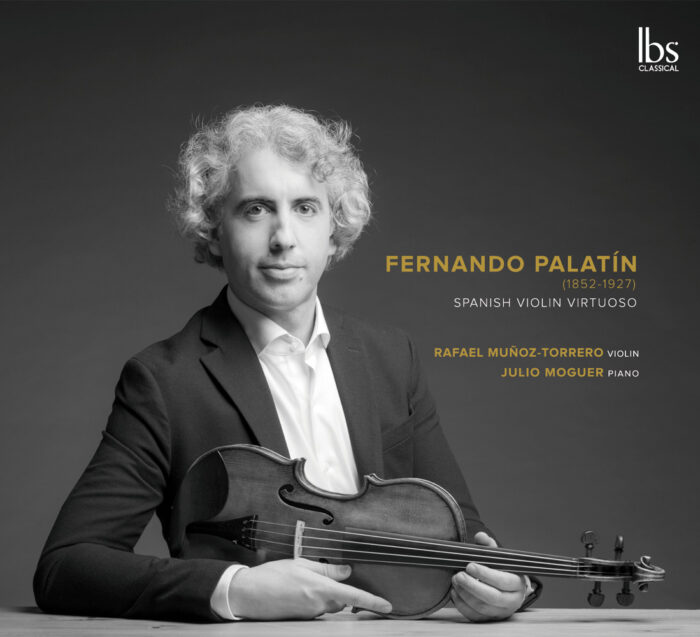 Palatin 14,95€
 -
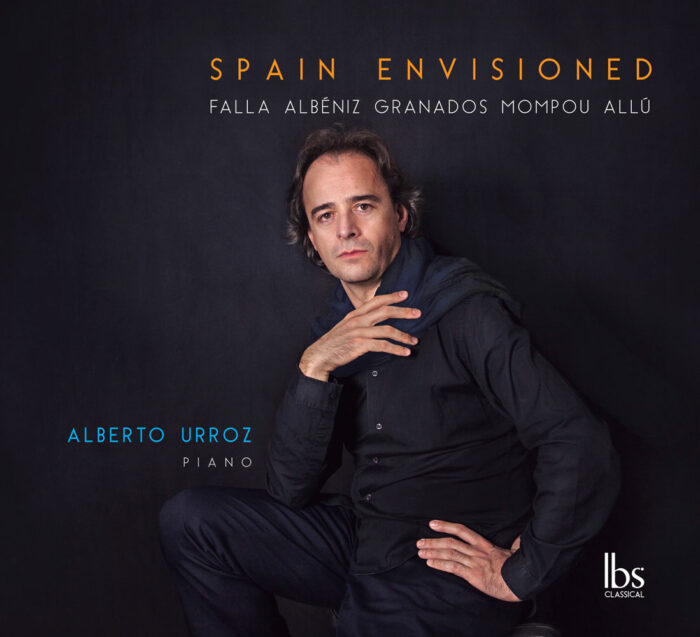 Spain Envisioned 13,95€
Productos relacionados
-
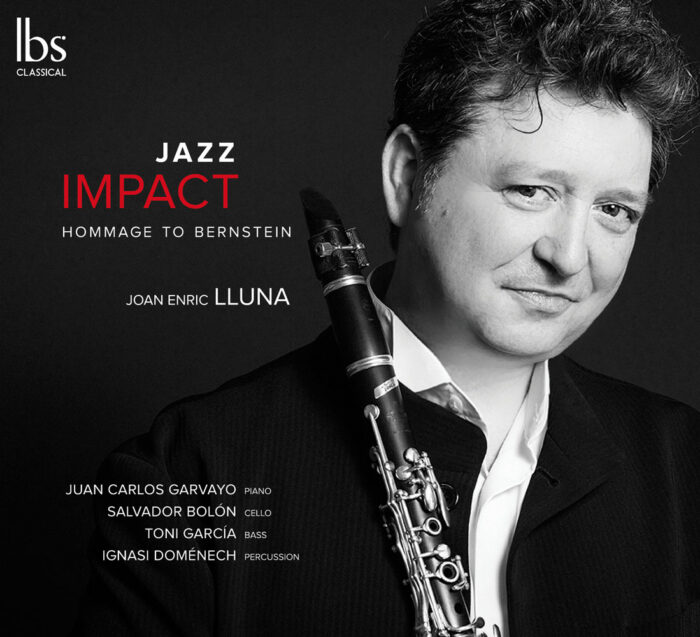 Jazz Impact 14,95€
 -
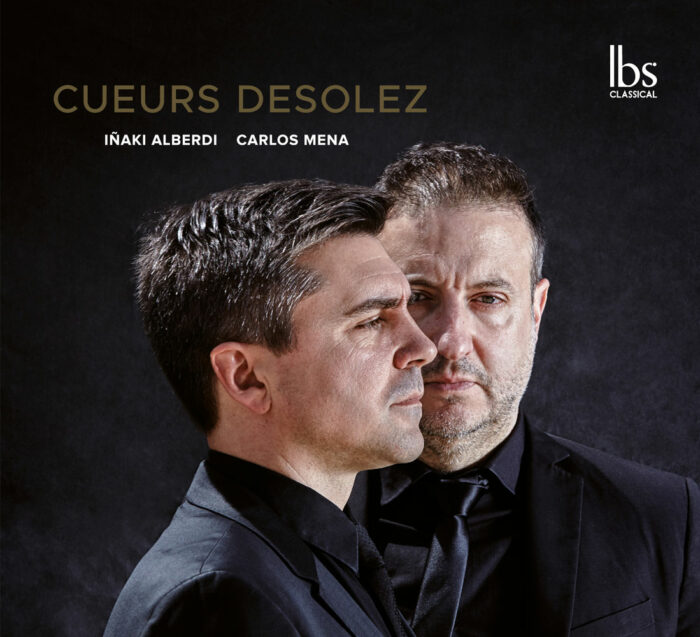 Cueurs Désolez 14,95€
 -
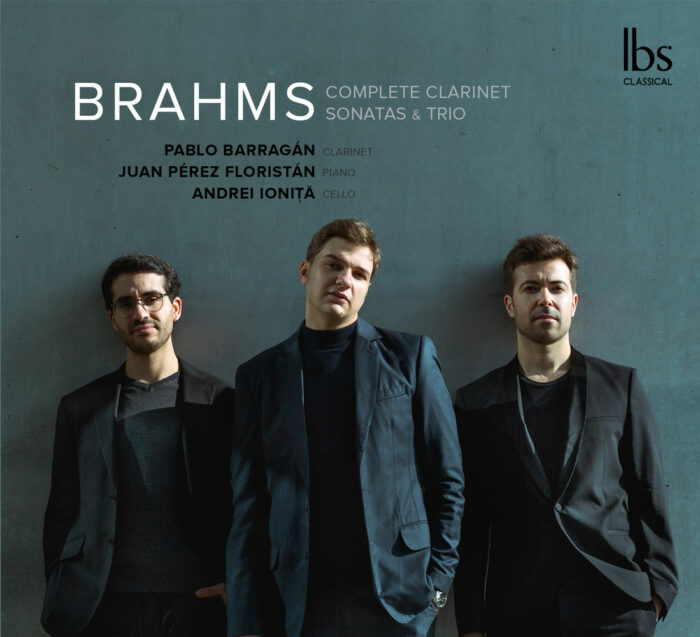 Brahms Clarinet 14,95€
 -
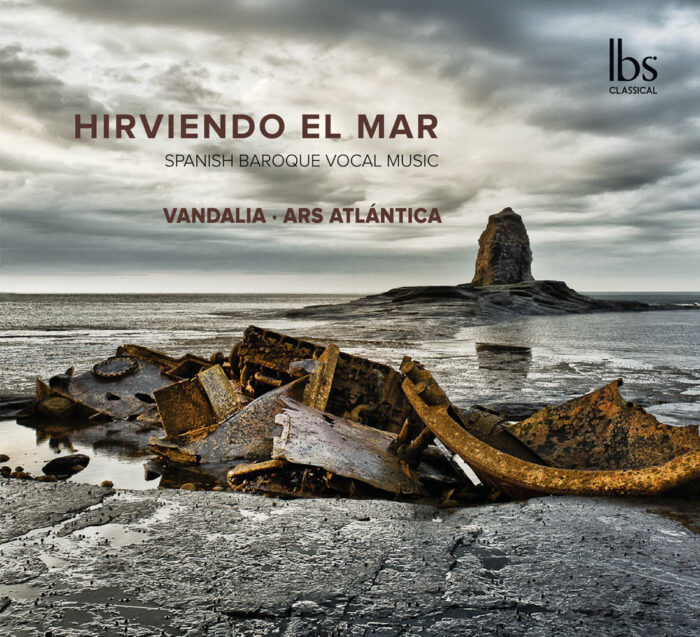 Hirviendo el mar 14,95€
 -
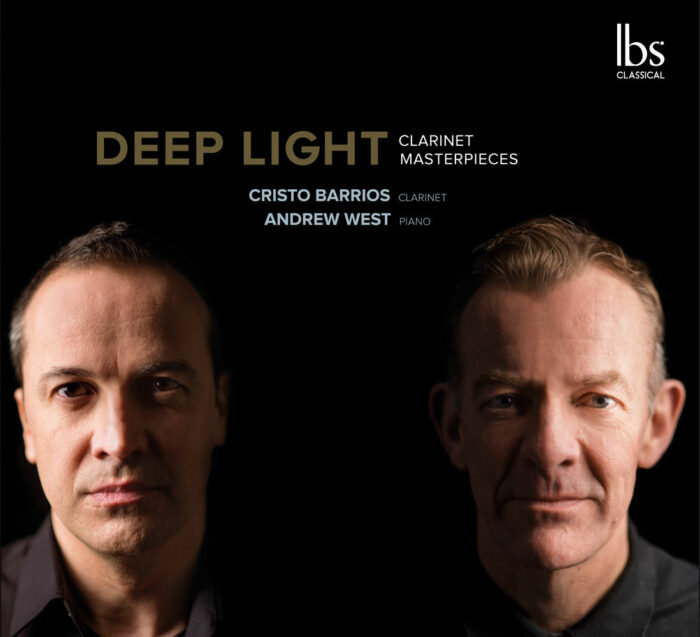 Deep Light 14,95€
 -
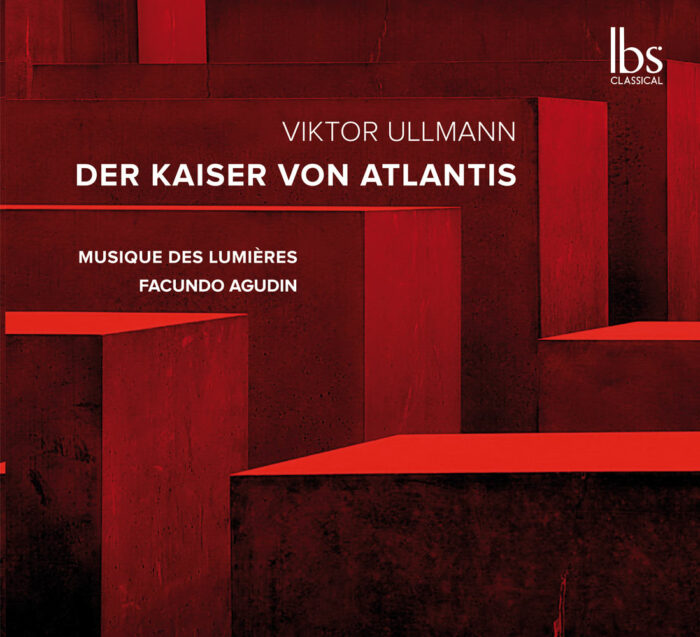 Der Kaiser 16,00€