



Spanish Suites
Trumpet Concerto: I. Cantos a la tierra
14,95€
The Spanish Suites is inspired by a different palo of flamenco, which the composer transforms in unique ways. Some movements incorporate elements such as bitonality or atonal diatonicism—techniques used to create contrast or convey a particular effect—without becoming the predominant compositional resource.
Ginés Martínez Vera, is a distinguished educator and an expert in orchestral arrangement, Martínez Vera presents here new compositions that are not only impeccably crafted but also deeply rewarding in performance, rich in analysis, and thoroughly enjoyable to the ear. These are works unafraid to delight—modern in their folkloric inspiration, brimming with rhythmic vitality and orchestral colour, evoking the celebrated Huapango of Moncayo. A student of Copland who, in turn, studied under Nadia Boulanger, Moncayo embodies that powerful Franco-American model, brilliantly adapted to a Hispanic symphonic language—one that merges Albéniz-like lyricism with jazz inflections and flamenco flourishes. It is within this lineage that the music of Martínez Vera finds its voice. His is a bold artistic vision in a world of high art music still dominated by the experimental. But, fortunately, Ginés Martínez Vera writes beautiful music. And beauty is not the privilege of the elite—it is a necessary sustenance for all.
BOOKLET
14,95€
Composer's Notes
The Trumpet Concerto was commissioned by Luis González, to whom it is dedicated. Luis has always been a key figure for Spanish trumpeters and, naturally, has also been a great inspiration to me as a trumpeter. I first met him at the Cadaqués International Conducting Competition, and since then, we have maintained a close connection. His warmth and kindness are truly remarkable. It has been an immense pleasure for me to compose this concerto and to perform it alongside him and the OSRM. I must also express my gratitude to him for reviving a piece I composed in my youth, Sueño de un trompeta, which has been included as an encore.
Both the Trumpet Concerto and the Spanish Suites carry a distinctively Spanish essence, blending classical forms and symphonic developments with jazz scales and subtle nods to the harmonic language of film scores. The first movement of the Trumpet Concerto evokes the inflections of a cantaor and the traditional folk songs of the region, transposed to the trumpet through various variations. The second movement is more evocative and richer in colour, creating an introspective atmosphere, while the third stands out for its strength and energy. The final coda revisits the main themes of the previous two movements, culminating in a cyclical conclusion that unifies the entire work.
Each movement of the Spanish Suites is inspired by a different palo of flamenco, which the composer transforms in unique ways. Some movements incorporate elements such as bitonality or atonal diatonicism—techniques used to create contrast or convey a particular effect—without becoming the predominant compositional resource.
Spanish Suite No. 1
Amor y yo is based on the rhythm of the alegrías of flamenco, beginning on the third beat of the twelve-count measure. The B section incorporates the characteristic bordón (bass line), harmonically modified to create a more contemporary sonority reminiscent of film music. The rhythm of the main theme playfully nods to Tirititrán.
De aquí y de allá draws inspiration from the Flamenco guajira style, beginning on the tonic rather than the dominant. Its tripartite structure follows a ternary lied form (ABA), with only the central section in the major mode—a subtle homage to the cantes de ida y vuelta, which often shifted from minor to major. Throughout the development, one can observe modulations by major thirds before returning to the minor mode.
Reales y pesetas is based on the tanguillo (a lively flamenco style from Cádiz) from Cádiz. Both its melody and title subtly reference the most famous tanguillos such as Aquellos duros antiguos. The piece is characterised by constant polyrhythms between binary and ternary metres and features a highly complex form. As the final movement of Suite No. 1, it concludes with a triumphant choral passage, joyful and concise.
Spanish Suite No. 2
Virgulilla takes its name from the small tilde-shaped diacritical mark associated with the letter “ñ,” a distinctive feature of the Spanish alphabet that symbolises the language’s cultural identity and richness. The piece references the fandango, one of the oldest palos, though it does not strictly follow the traditional abandolao rhythm, a variant of the fandango. A recurring motif, used as a leitmotif, weaves through the entire work.
La cocinera is based on tangos, a style that forms the rhythmic core of binary-compass flamenco styles. The piece largely preserves the characteristic harmonic structure of tangos, including their traditional introduction, rhythmic drive (soniquete), and section closures.
Vida is inspired by the bulerías, one of the fastest twelve-count flamenco forms. While traditionally counted in a unique asymmetric pattern, modern notation often represents it in 6/8. This work is a continuous process of variation and evolution, growing from minimalism to grandeur. Composed during the 2020 lockdown, it reflects how, even in the most difficult moments, life always finds a way forward.
For the Spanish Suites, we had the privilege of collaborating with Alejandro Solano on flamenco percussion.
Ginés Martínez Vera
Ginés Martínez Vera
Ginés Martínez Vera (Composer & Conductor)
Born in Torre Pacheco, he completed his advanced studies in Orchestral Conducting at the Manuel Massotti Littel Higher Conservatory of Music in Murcia under the tutelage of José Luis López García and José Miguel Rodilla. He pursued higher studies in Jazz Composition and Arranging in Madrid with Félix Santos Guindel and refined his skills through masterclasses with José R. Pascual Vilaplana, Jorma Panula, Bruno Aprea, Ricardo Frizza, Atso Almila, and Miguel Romea, among others. In 2006, he was awarded the “Young Murcian of the Year” prize by the Youth Institute and the Presidency Department of the Autonomous Community of Murcia in recognition of his musical and artistic career. Among other accolades, he has won one Gold Medal and twelve Silver Medals at the Global Music Awards in California. He has collaborated with various ensembles, including the Orquesta Sinfónica de la Región de Murcia and the WDR Funkhausorchester. Notably, his four-hand transcription of the four books of Suite Iberia by Isaac Albéniz, created for the Valero-Rodríguez duo, has been performed in Spain, France, Italy, and Belgium. He holds a permanent teaching position at the Cartagena Conservatory of Music, serves as director of the school and band of the Agrupación Musical Ntra. Sra. del Pasico in Torre Pacheco, is the principal conductor of the Lorca Symphony Orchestra, and has been the arranger for the OSRM since the 2020 season.
Luis González Martí
Luis González Martí (Trumpet)
Luis González is one of the most distinguished trumpet players, renowned as both a soloist and an educator. He currently combines his role as professor at Musikene, the Higher School of Music of the Basque Country, with an active solo career, frequently attending courses, seminars, and serving as a jury member in competitions across the globe. He forms a permanent duo with pianist Pepe Gallego, with whom he has revived and recorded the most significant Spanish repertoire for trumpet and piano from the 20th and 21st centuries. Their work is showcased in the albums Siglo XX Español and Gestas de un Don Nadie. His discography also includes Sinergies, in collaboration with trombonist Carlos Gil, and Luz Barroca, recorded alongside organist Roberto Fresco. Luis González took part in the album Naturaleza Humana, featuring Juan J. Colomer’s Viñetas Sinfónicas for trumpet and orchestra, a work that brings together the composer’s oeuvre for brass and orchestra, performed with the Orquesta Ciudad de Granada under the baton of José Luis Estellés. His most recent album, Desde la finestra, is a collaboration with guitarist Jaume Rico. He has been a member of the Orquestra Simfònica de Balears, the Orquesta Sinfónica de Madrid, and the Orquestra de Cadaqués, and has also collaborated as principal trumpet with prestigious ensembles such as the Royal Concertgebouw Orchestra of Amsterdam, the Mahler Chamber Orchestra, and Les Dissonances. Luis González performs exclusively on Stomvi trumpets, crafted in Valencia.
OSRM Orchestra
Murcia Region Symphonic Orchestra
The Murcia Region Symphonic Orchestra made its debut at the Murcia Auditorium and Congress Centre on January 27, 1996. With more than 25 years of artistic trajectory, the orchestra has earned widespread recognition from institutions, audiences, musicians, and critics alike. The ensemble consists of 49 permanent musicians, selected through public competitions, all of whom have trained at the world’s leading conservatories.
Since its inception, the orchestra has maintained an intense schedule of concerts and artistic, educational, and outreach activities, fulfilling its foundational mission: to promote and disseminate classical music beyond its regional borders. Over the years, the ensemble has been led by principal conductors José Miguel Rodilla (1996–2012) and Virginia Martínez (2012–2023), the latter now serving as Honorary Conductor, and has welcomed many distinguished guest conductors.
Currently, the orchestra offers subscription symphonic cycles in Murcia, Cartagena, and Águilas, along with School Concerts and Family Concerts that introduce classical music to children and young audiences. In this field, the orchestra has become a reference, programming high-quality artistic and educational performances led by top specialists in musical outreach and producing its own original productions.
También te recomendamos…
-
 Harpsichord 14,95€
 -
 MAHLER 5 14,95€
 -
 Soleriana 14,95€
 -
 Symphonic Genesis 14,95€
 -
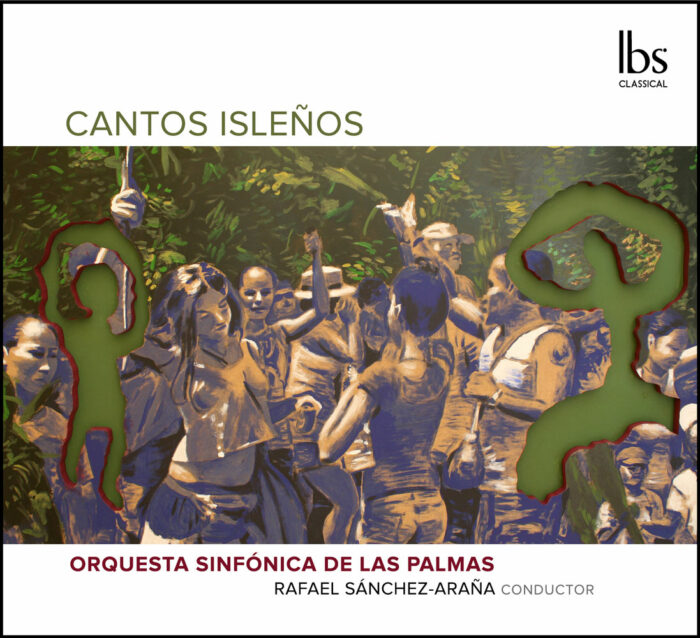 Cantos Isleños 14,95€
 -
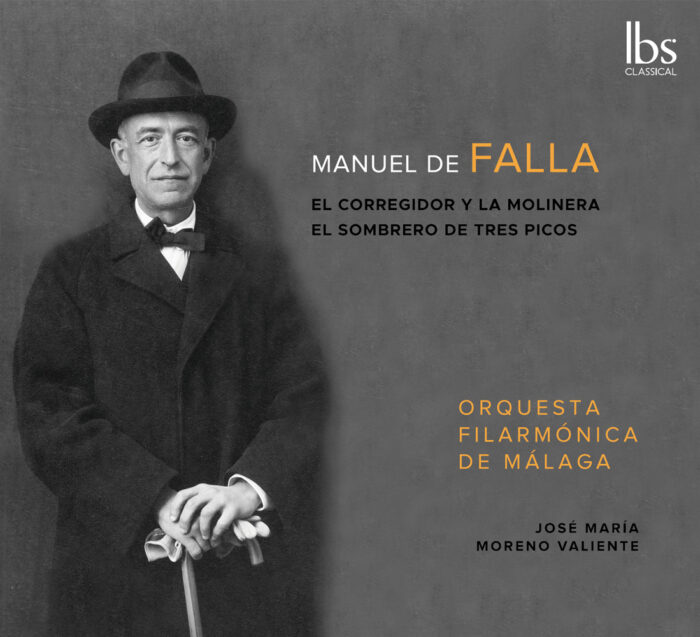 Falla: Corregidor & Sombrero 14,95€
Productos relacionados
-
 Zarzuela Viva 14,95€
 -
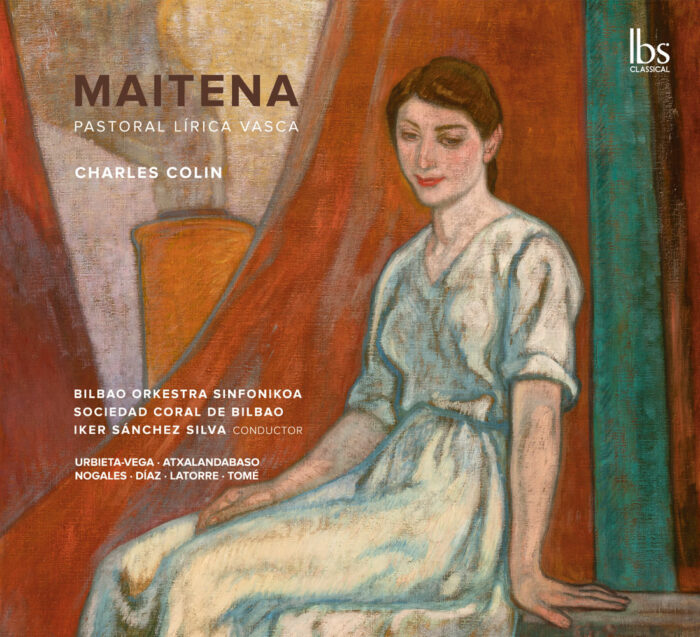 Maitena 19,95€
 -
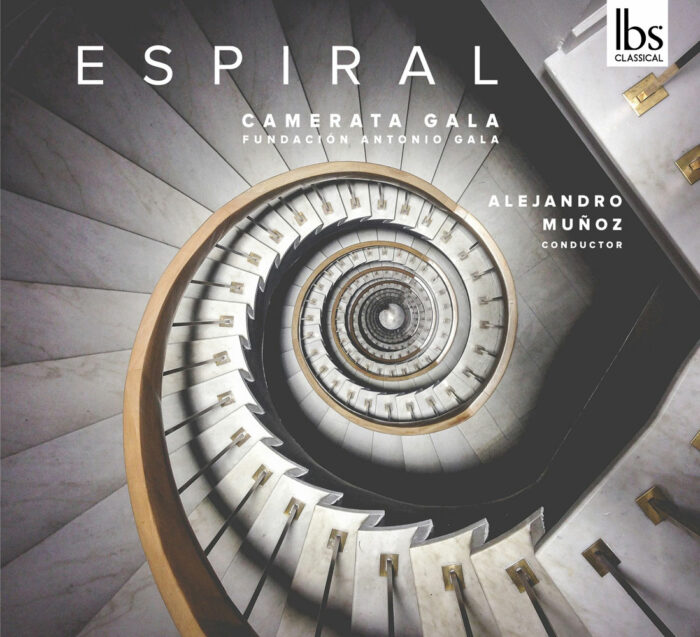 Espiral 14,95€
 -
 Debussy Preludes 18,00€
 -
 Leningrado 14,95€
 -
 Aranjuez 12,00€