
Iconic Works
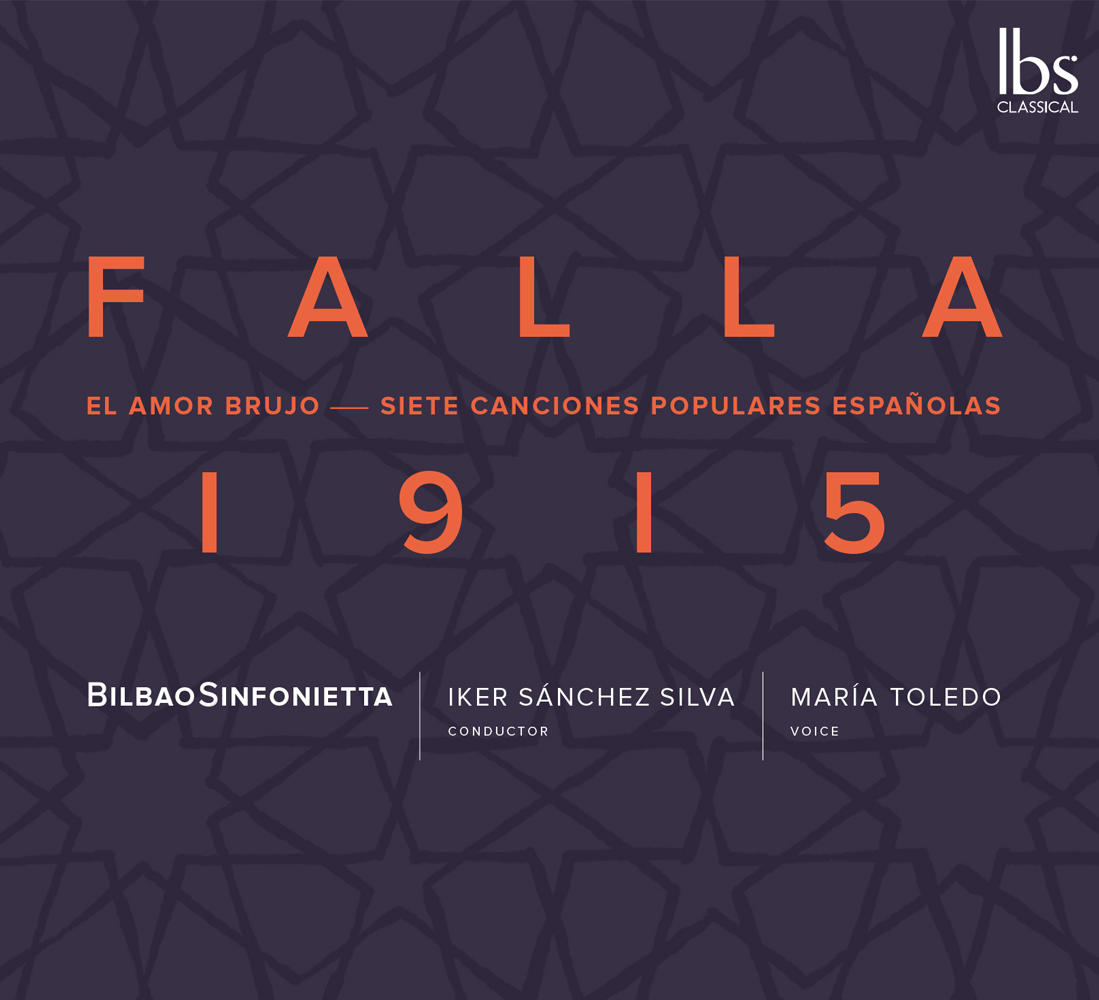
Two iconic works by Manuel de Falla (1876- 1946) were premièred in Madrid in 1915, El amor brujo [Love, the Magician] and Siete canciones populares españolas [Seven Spanish Folksongs] – two works that brought into being the Cadiz-born composer’s life purpose of sublimating Hispanic folklore. Artistic manifestations derived from the soul of the people, especially the vitality and dynamism of Andalusian sonorities and cante jondo [deep song], became his most fertile source of inspiration. However, Falla’s production was not limited to transcribing or literally reusing this popular material, but rather manipulating it creatively, searching for its very essence and integrating it into the musical language of the time.
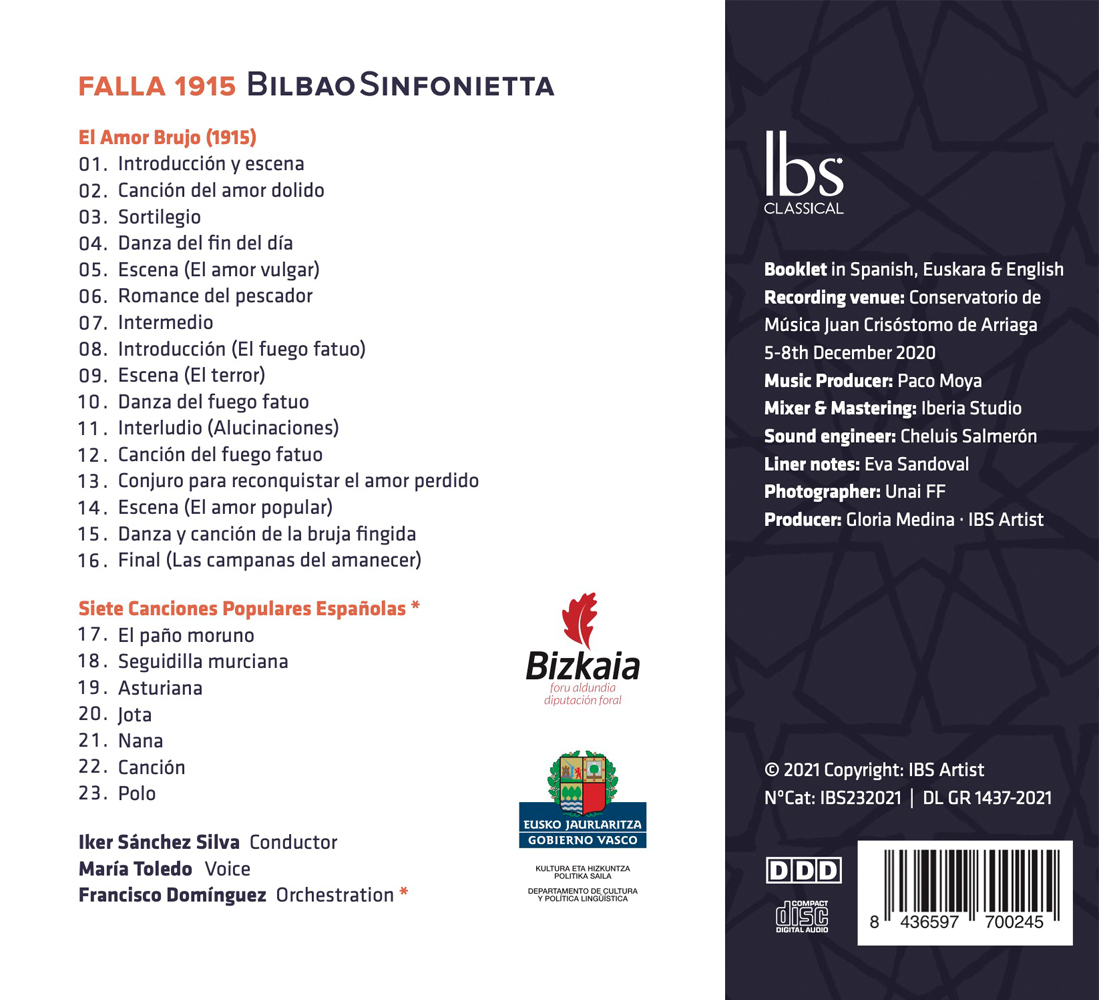
El amor brujo (1914-1915) came about in response to a commission for a song and dance for Pastora Imperio through the me- diation of the literary couple María de la O Lejárraga and Gregorio Martínez Sierra, close friends of the composer. The mother of the gypsy cantaora and dancer, Rosario Monje “la Mejorana”, acted as an informant in the previous fieldwork carried out by the authors, to whom she narrated mysterious legends and sang different flamenco palos [styles]. The first version, which was longer than the final 1925 El amor brujo, was subtitled “gitanería en un acto con dos cuadros” [Gypsy Ballet in One Act and Two Scenes]. María Lejárraga’s libretto, as well as the number and order of the movements, vary considerably from the final ballet. The plot of the gypsy piece focuses on the tricks and spells that a desperate, unrequited gypsy, Candelas, employs over the course of a single night to get her beloved to return to her. Over the course of sixteen movements, instrumental passages are in- terspersed with sung or recited pieces, as well as spoken dialogues that disappeared in the ballet. This recording enables us to listen to some of those narrations so that we can appreciate some of the divergences between the two adaptations.
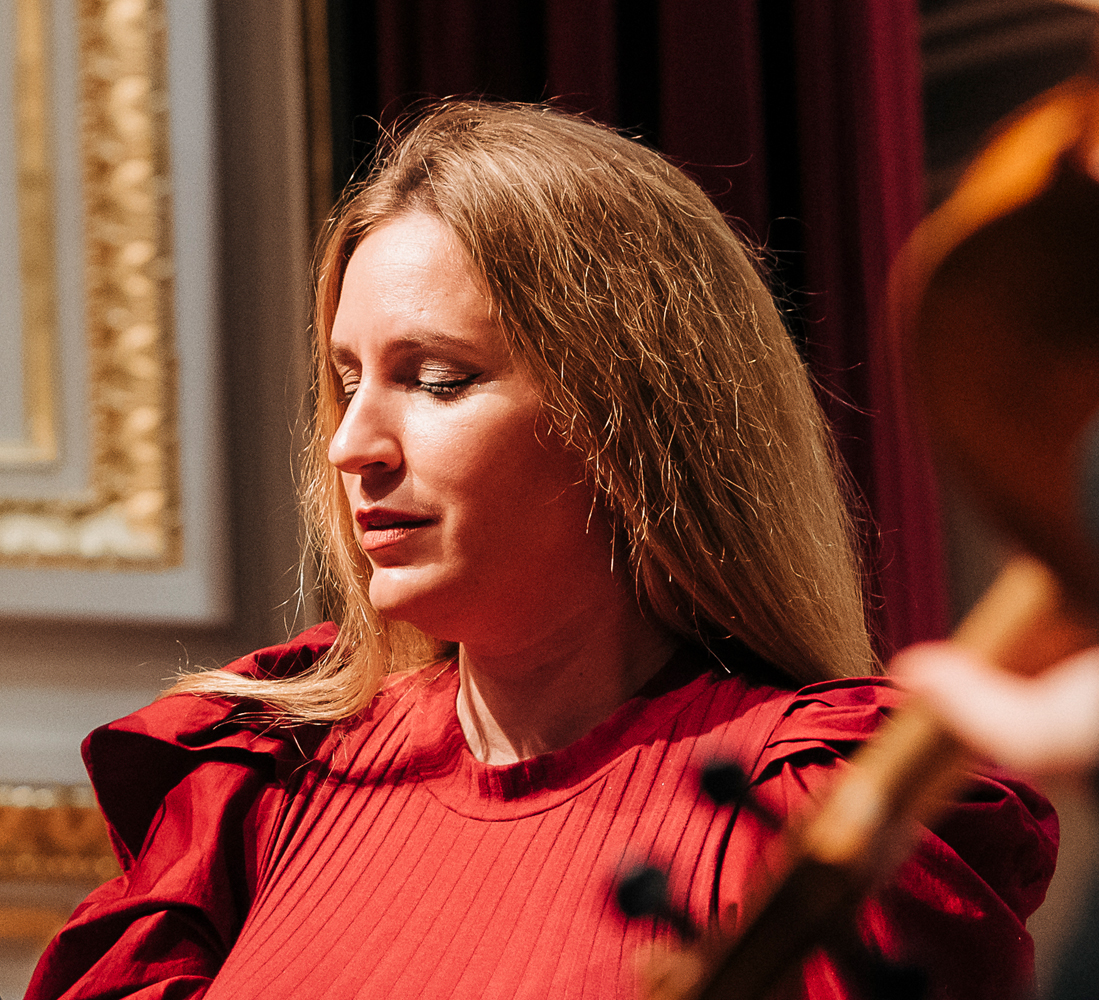
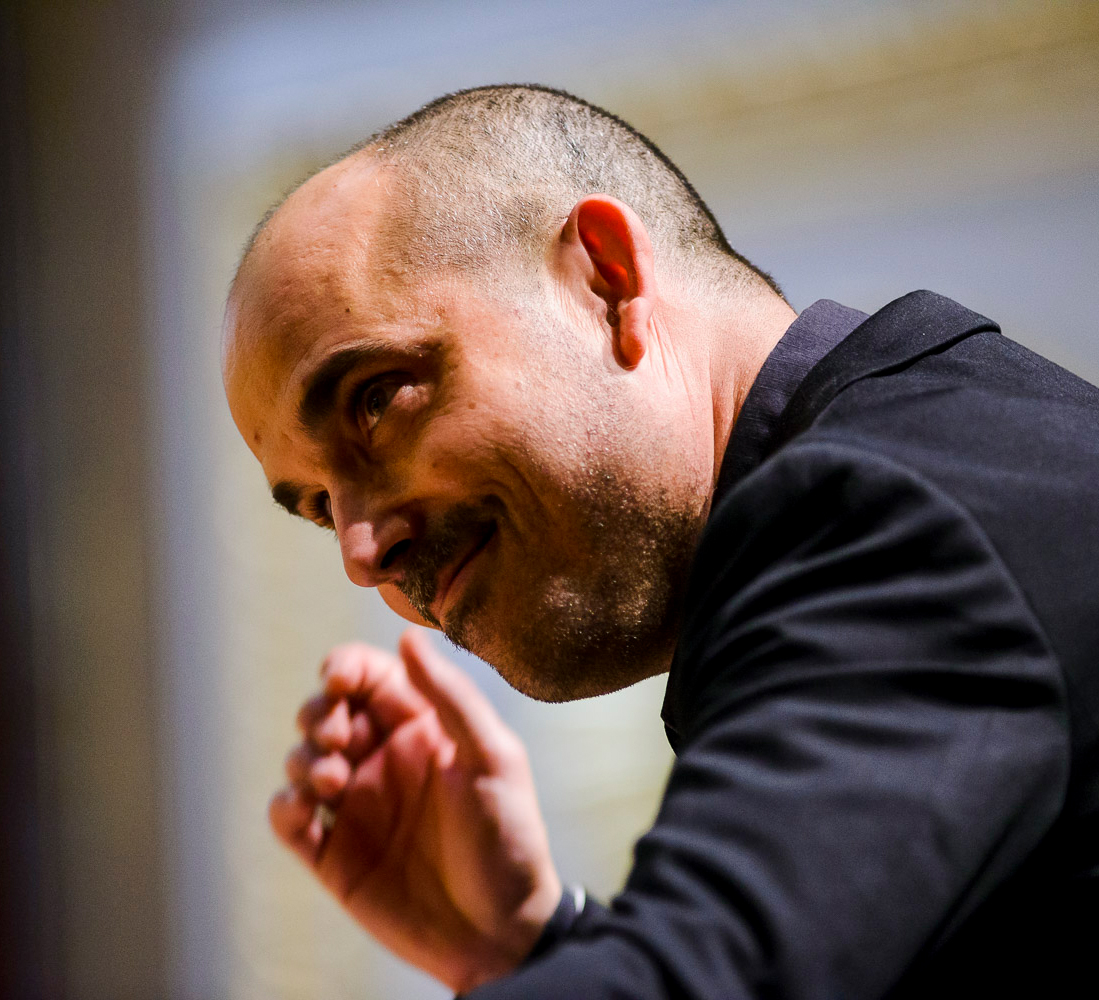
In the original score of Siete canciones populares españolas (1914), the last work completed by the composer during his stay in Paris, the simplicity and melodic freshness of the voice, without unnecessary ornamentation and without going beyond the range of a sixth, contrasts with the captivating and virtuosic piano texture of intricate rhythms. The uniqueness of the present recording, performed by the up and coming Bilbao Sinfonietta under the baton of Iker Sánchez Silva, lies in the recording of a new instrumentation for small orchestral ensemble arranged by the group’s composer in residence, Francisco Domínguez, in 2019. The vocal part is not the usual lyrical voice, but that of a genuine cantaora [flamenco singer] like María Toledo. The ensemble chosen by Domínguez includes flute in G, flute in C, English horn, clarinet in B flat, bass clarinet, bassoon, French horn, trumpet, percussion and strings with divisi. The arrangement preserves the melodic, rhythmic and harmonic foundations of Falla’s original version, but also provides a contemporary perspective in the timbres and extended techniques proposed.